It is our grasp on the world, and our sketch of our project.
Simone de Beauvoir
public yoga classes and privates in zurich and winterthur.
It is our grasp on the world, and our sketch of our project.
Simone de Beauvoir
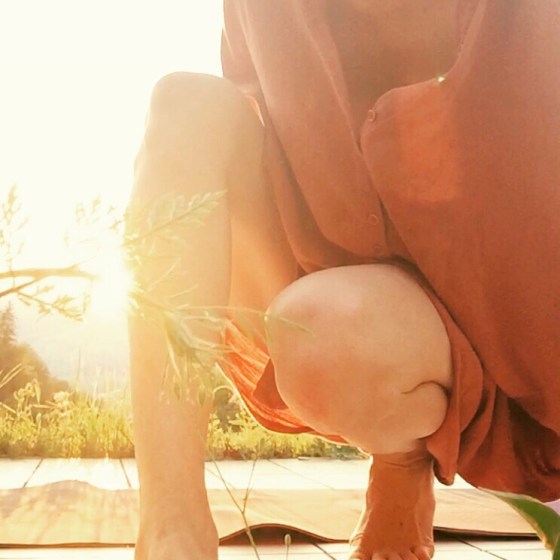
And I wonder about presence and flocking movement: When I’m so occupied by my own thoughts, my own perception of this world – am I still awake to the movement of which I am part of? When my own point of view becomes so heavy like a stone in flowing water? When I’m so absorbed by the stories I tell myself about myself, about the world?
And how about, on the other hand, feeling and asking: Where is the pull? Do I want to go along with it and see where it takes me? Can I loosen the grip and let myself fall into that river?

today I think of the fact that human beings do everything they can to avoid suffering. that’s how our capitalist society flourishes with all its expressions of consumerism, performance, tech world, media and what have you.
what impact would it have if we as a human beings would accept suffering, integrate and learn from it instead of pushing it away at all costs. to get to know suffering. what would that be like.
the first shanti gives space to the possibility of peace in the personal realm, within ourselves. the second shanti opens space for relational peace, between you and me, between any living beings. the third shanti enables trust in bigger processes, to find peace beyond the human realm. and every single chanted shanti is an opportunity to stop and feel into the space of possibility. practice peace everybody – the world needs you.
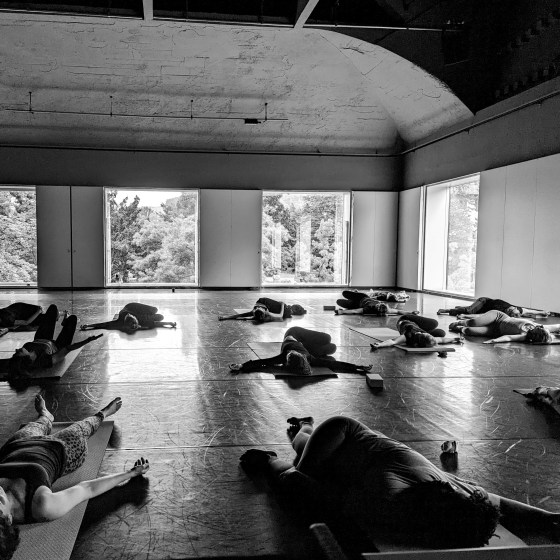
Der energetische Mensch empfindet kein Bedürfnis, sich Menschen und Dingen aufzuzwingen und einzuprägen. Er lebt aus dem erregenden Gefühl, daß Menschen und Dinge auf ihn zukommen und ihn „in das Abenteuer der Erfahrung verwickeln“. Er liefert sich nicht aus, sondern läßt geschehen. Er stimmt dem zu, was sich ereignet. Er weiß, daß es unmöglich ist, zweimal in den gleichen Fluß zu steigen (Heraklit), und hält sich frei und verfügbar. Er kommt dem schläfrigen Widerstand zuvor und ist von entspannter Wachheit. Weil er Menschen nicht festhält, gedeihen seine Beziehungen. Weil er nichts erreichen will, gelingt ihm vieles. Er zielt nicht darauf ab, eine originelle Persönlichkeit zu sein; vielmehr liegt ihm an Verständigung und Beziehung. Und doch prägt sich gerade in ihm das Leben auf eigentümliche Art aus. — Er ist kein Abhängiger, sondern ein Hingezogener, kein Unterdrücker, sondern ein Zugewandter. Was ins Leben drängt, ist nicht gegen andere, sondern zu anderen hin. Er erlebt sich mondhaft: den Schein, den er auf andere wirft, als Widerschein von deren Licht. Energetische Menschen blenden sich gegenseitig nicht, sondern genießen die Sonnenbäder, die andere ihnen schenken, und wachsen darin. Es ist kein Widerspruch, daß sie aktiver als Menschen sind, die mit Aufbietung ihres ganzen Willens nach Selbstbestätigung gieren. Denn in ihrer lockeren Offenheit ziehen energetische Menschen Energie an. Sie haben keine Worte, welche die Wortwerdung des Fleisches, keine Vorstellungsbilder, welche die Gebärde verhindern.
Peter Schellenbaum
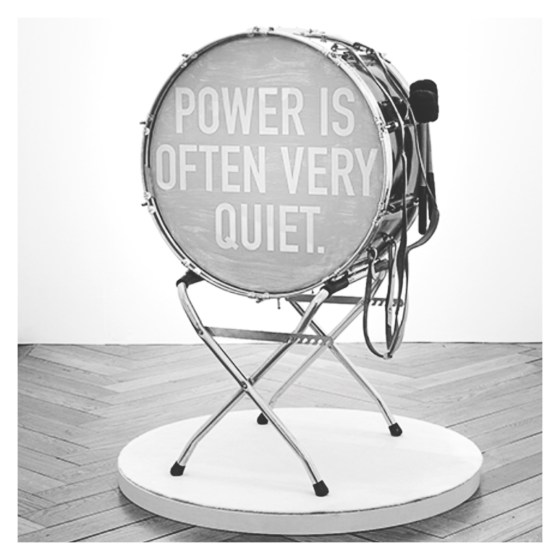
most probably things like trikonasana won’t solve your everyday problems. but the way you meet the ground through feet and legs in trikonasana. stability, fluidity, a whole body conversation. the way you just stay connected, awake. that is what your system remembers when things get tough.
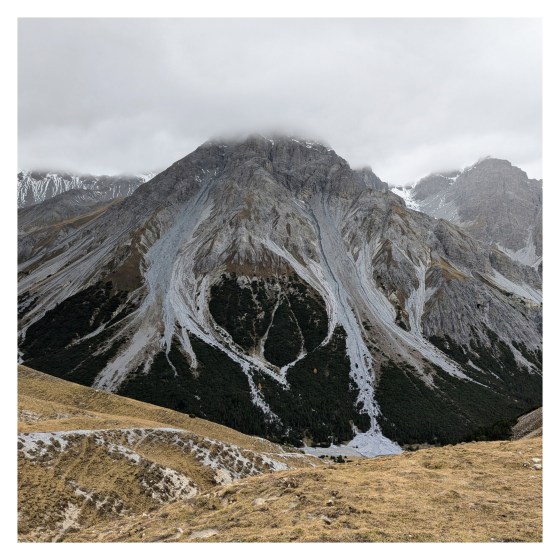
the story of a japanese zen teacher and his student in archery. after a seemingly excellent shoot of a student, the teacher breaks his bow and refuses to teach him any further. practice was so exhausting for a long time and without progress, so that the student found a way to shoot the arrow spot-on without doing inner work. taking a shortcut. the teacher turns his back and sits down in silence.
by doing so, he shows his deep involvement and concern. he’s hurt. deeply moved by the cheat and the broken agreement. he’s hurt. and he shows it.
what if practice
only is a means
to be
in relationship.
to do
inner work.
to establish
deep and meaningful connections.
what if we begin to give space as much importance as we give to what we perceive as objects.
inbetween bodies, inbetween bones.
oneness. cohesion. stability.
what does space feel like? what does leaning into space feel like?
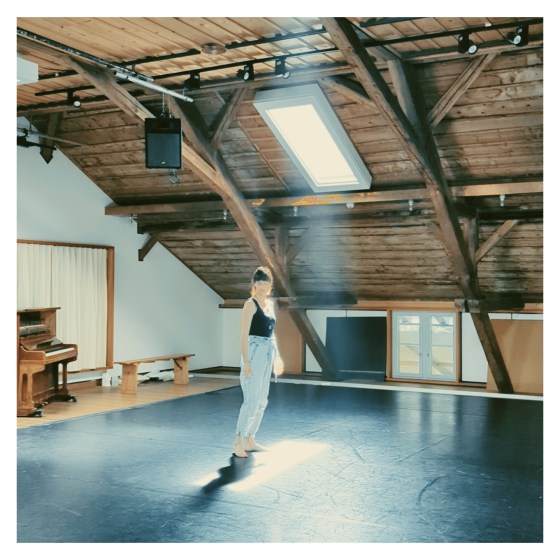
I have this incredibly knowledgeable teacher that I once heard answer the question ‚what is yoga?‘ just very brilliantly with ‚I don’t know.‘ I thought this was the best answer. And I never had heard a teacher state that before. Quite the opposite, everybody seems to know what the totality of yoga is.
Yet I think it’s useful to talk about yoga, to offer a context for our practice in our lives, so that it becomes meaningful.
As the term ‚yoga‘ for most people evokes ideas about juncture, connection, union, then in what places can we feel connection happen? When do two things hold their balance and become one? What conditions are required?
All of this inquiry is practice. We get to know our life. And its opposites. And sometimes their connection.
May this field of practice be wide and useful for everybody. Thank you.
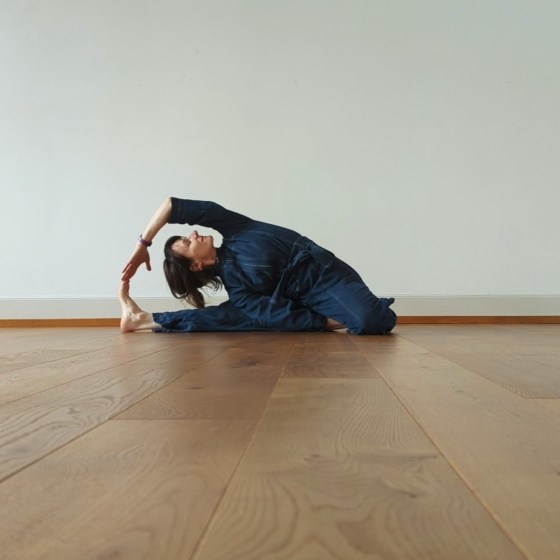
today I like to encourage everyone to reclaim the word „spirituality“ and connect it with their own meaning. with their own perception and feeling. not to cede it to others and turn away from it, because it might be too difficult to capture or just too worn out. but to own it’s mystery and let it empower you.
 lilayoga monika scherer.